
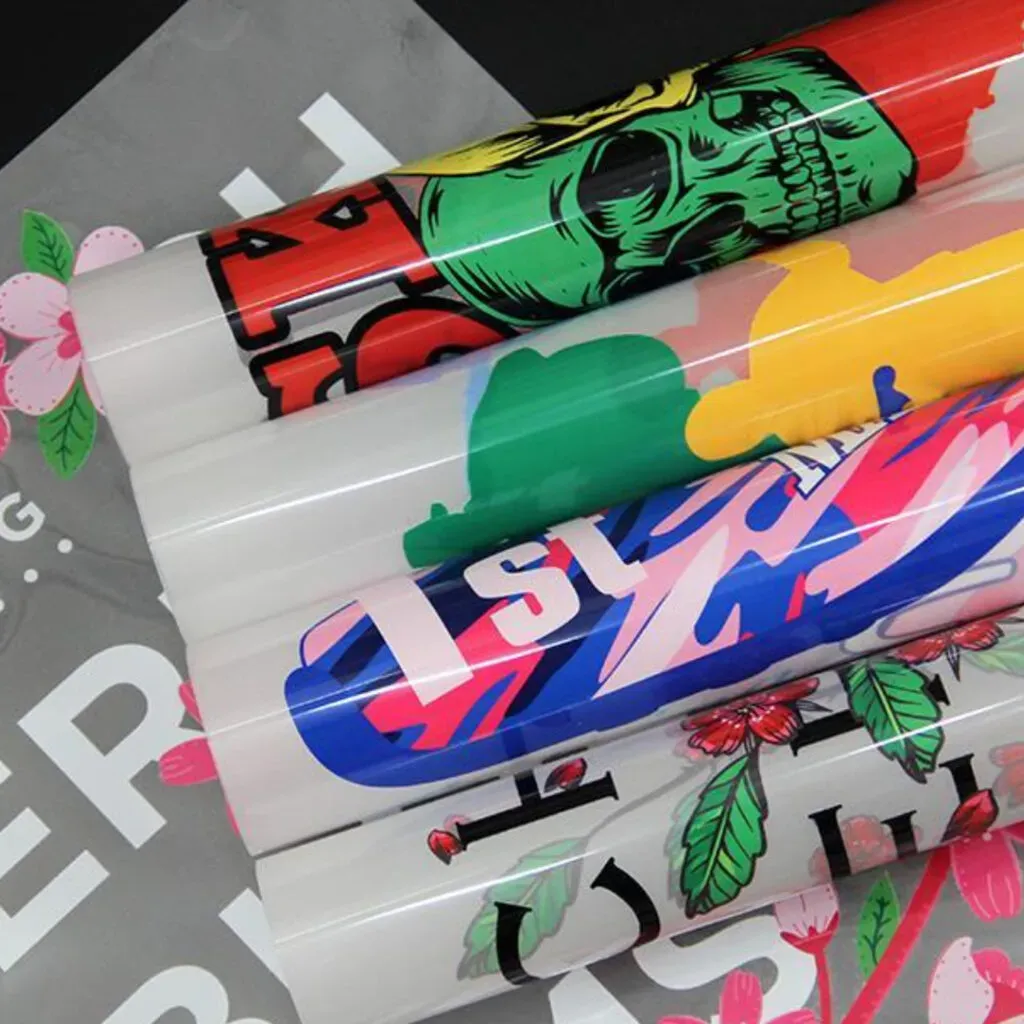
DTF transfers on cotton tees open a vibrant, durable way to decorate apparel for hobbyists and small brands. This approach rests on the DTF transfer process, a film-based workflow that blends CMYK with a white underbase to deliver sharp colors on cotton tees. For reliable results in cotton tee printing, you’ll want clear pre-press, proper powder curing, and consistent heat press settings for DTF. If you’re new to the method, look for practical DTF transfer tips and consider DIY DTF on tees to practice at home. With careful preparation and proper care, this technique can produce vibrant, durable prints on everyday cotton tees.
Another way to frame this method is film-based imprinting for textiles, which leverages translucent films and adhesives to bind graphics to cotton garments. Direct-to-film printing is a common industry term for the same process, helping designers achieve bold visuals on t-shirts. You might also hear it described as a garment decoration technique that relies on heat transfer films, powder bonding, and calibrated heat application. Compared to traditional methods, this approach often offers a softer hand, quicker turnaround, and greater customization when working with cotton fabrics. A practical path for beginners is to start with simple designs, test different underbases, and refine your workflow before scaling up production.
DTF transfers on cotton tees: Why cotton tees respond best to this method
Cotton fibers take DTF inks and adhesives well, offering vibrant colors and a soft hand. Because of the natural weave, cotton tees accept underbase and color layers smoothly, making DTF transfers durable. This aligns with the DTF transfer process and is why many designers choose cotton tee printing for high-detail designs.
For DTF transfers on cotton tees, selecting the right film and powder matters. The DTF transfer process on cotton aims for even adhesion and color fidelity from the first wash. DTF transfer tips include pre-washing garments and maintaining consistent heat and pressure to maximize the print’s lifespan on cotton tees.
The DTF transfer process explained for cotton tee printing
The DTF transfer process involves printing the artwork onto a special DTF film (with white ink where needed), applying adhesive powder, curing, then transferring the design with heat. On cotton tee printing, this sequence is tuned for soft hand feel and durable bonding, with careful attention to color density and film quality.
In the context of cotton tee printing, moisture control and accurate pre-press help ensure sharp edges and consistent bonding. DTF transfer tips include verifying underbase coverage and color density, and DIY DTF on tees becomes feasible when you calibrate your printer, powder cure, and heat settings for cotton fabrics.
Design preparation and file setup for successful DTF transfers on cotton tees
Start with high-resolution designs suitable for cotton tee printing. Use PNGs with transparent backgrounds for easy placement and ensure color management aligns with the DTF transfer process so that hues reproduce well on cotton fabrics.
Plan placement by creating mockups on a tee template and consider how the fabric texture will affect the final look. Use vector exports or high-resolution raster files and ensure the artwork scales cleanly to your chosen garment size, keeping in mind DIY DTF on tees workflows and common DTF transfer tips.
Heat and timing: heat press settings for DTF on cotton tees
For cotton tees, typical heat press settings range around 300–320°F (150–160°C) with medium to high pressure. The dwell time is usually 12–15 seconds to secure a thorough bond without scorching the fabric. This is the core of heat press settings for DTF.
After pressing, check whether your film requires a hot peel or a cold peel and follow the powder curing guidelines. Adjust pressure for garment thickness and ensure an even contact across the imprint area to prevent ghosting, which ties into DTF transfer tips for durable results.
Common issues and troubleshooting for DTF transfers on cotton tees
Common issues include ghosting, cracking at edges, or powder residue. These problems are often tied to insufficient heat, uneven pressure, or incomplete curing of the powder in the DTF transfer process.
Troubleshooting tips include re-pressing with the correct temperature and time, verifying underbase color density, and ensuring the garment is dry and flat during pressing. These steps reflect practical DTF transfer tips and keep cotton tee printing results reliable.
DIY DTF on tees: a beginner-friendly workflow and maintenance
DIY DTF on tees is a feasible route for small businesses and hobby crafters. Start with a basic setup for cotton tee printing, invest in a reliable heat press, and follow the DTF transfer process step by step to build confidence and consistency.
Maintenance of your DTF workflow matters: keep your printer calibrated, store DTF film and powders in dry conditions, and regularly clean the platen. With attention to design preparation, heat settings, and post-press care, DIY DTF on tees can deliver professional-looking results.
Frequently Asked Questions
What are DTF transfers on cotton tees and how does the DTF transfer process work for this fabric?
DTF transfers on cotton tees involve printing a design onto a special film, applying adhesive powder, and then using a heat press to bond the image to the fabric. The DTF transfer process yields vibrant color, a soft hand feel, and durable results on cotton thanks to the underbase and heat-activated bond.
How should I prep cotton tees for DTF transfers on cotton tees, and why is pre-press important?
Pre-wash and fully dry cotton tees to reduce fabric sheen and shrinkage. A 5–8 second pre-press at 300–320°F (150–160°C) removes moisture and creates a smooth surface, which is essential for precise cotton tee printing and reliable DTF transfers.
What heat press settings for DTF should I use when applying transfers on cotton tees?
Typical heat press settings for cotton tees are 300–320°F (150–160°C) for 12–15 seconds with medium to high pressure. Follow your film’s guidance for peel type (hot or cold) and adjust if your fabric is thicker or textured to avoid ghosting.
What are some DTF transfer tips for cotton tee printing when using DTF transfers on cotton tees?
Use a PNG file with a transparent background, ensure an even adhesive powder coating, and cure the powder briefly. Align carefully with masking tape and avoid shifting during pressing. Regularly calibrate your printer and test on scrap material before production.
What common issues can occur with DIY DTF transfers on tees, and how can I troubleshoot them?
Common issues include ghosting from insufficient heat or pressure, edge cracking from uneven pressure, white specks from excess powder, and color bleeding from underbase. Troubleshoot by adjusting temperature, time, and pressure, ensuring proper powder curing, and confirming the correct peel method for your film.
How should I care for and maintain DTF transfers on cotton tees to ensure long-lasting results?
Turn shirts inside out before washing, use cold or warm water with a mild detergent, and avoid bleach or fabric softeners. Dry on low heat or hang dry, and store films and powders in a dry environment. Proper care helps maintain color and bond on cotton tees.
| Key Point | Summary | Notes / SEO |
|---|---|---|
| Focus keyword: DTF transfers on cotton tees | The core topic guiding the post and primary SEO anchor. | SEO anchor term used throughout the article. |
| Related keywords | Terms connected to the DTF topic used to align with common searches and search intent. | DTF transfer process, cotton tee printing, heat press settings for DTF, DTF transfer tips, DIY DTF on tees |
| Post Title | The blog post title that sets reader expectations. | DTF transfers on cotton tees: Step-by-step guide to apply |
| Meta Description | SEO snippet that summarizes the article and entices clicks. | Master DTF transfers on cotton tees with this step-by-step guide. Learn the DTF transfer process, cotton tee printing tips, and optimal heat press settings. |
| DTF transfer process (overview) | High-level workflow from design to care, outlining the major stages of the DTF on cotton tees project. | Design, print with powder, pre-press, align, heat press, peel, post-press care, troubleshooting, maintenance (on cotton tees) |
| Step 1: Prepare design & file setup | Prepare artwork with proper file format, color management, and placement. | PNG with transparent background recommended; CMYK+white option; mock layout on tee template; color soft proof |
| Step 2: Print transfer & apply powder | Print the DTF artwork on film and apply adhesive powder evenly. | Use CMYK (and white if needed); cure the powder; allow film to cool; avoid clumps |
| Step 3: Pre-press the cotton tee | Pre-press to remove moisture and wrinkles for a flat transfer surface. | Temp ~300–320°F (150–160°C); 5–8 seconds; medium pressure; pay attention to seams |
| Step 4: Align & place the transfer | Position the transfer accurately and secure to prevent movement. | Masking tape or grip sheet; check centering; plan for hot vs cold peel |
| Step 5: Apply with heat press | Core bonding step with specific temp, time, and pressure settings. | Temp: 300–320°F (150–160°C); Time: 12–15s; Pressure: medium-high; Peel method varies by film |
| Step 6: Post-press & peel considerations | Finalize adhesion and decide on peel type (hot vs cold) and any follow-up press. | Cold or warm peel per material guidelines; optional 3–5s re-press; cool before handling |
| Step 7: Care instructions | Provide aftercare guidance to maximize longevity of prints. | Turn inside out; cold/warm wash; avoid bleach; low heat or air dry; line dry preferred |
| Step 8: Troubleshooting | Common issues and fixes to maintain consistent results. | Ghosting, cracking at edges, white specks, bleeding; adjust heat/pressure; reprint if needed |
| Step 9: Maintenance | Ongoing upkeep to ensure repeatable results across cotton tees. | Calibrate printer, clean film/powder handling, store materials dry, inspect platen |
| Conclusion | A concise recap of the method and its applicability to cotton tees. | Focus on DTF transfers on cotton tees, DTF transfer process, and practical DTF transfer tips for reliable results |
Summary
DTF transfers on cotton tees offer a practical, scalable method for producing vibrant, durable designs on a fabric that shirts typically take well to printing. By following a clear workflow—from design preparation to heat-press settings and proper post-care—you’ll achieve professional results time after time on cotton tees. Remember to adapt the process to your specific DTF film, powder, and printer, and keep refining your technique with each project. This focus on DTF transfers on cotton tees, along with the DTF transfer process and practical DTF transfer tips, will help readers discover reliable guidance for transforming plain shirts into wearable art.