
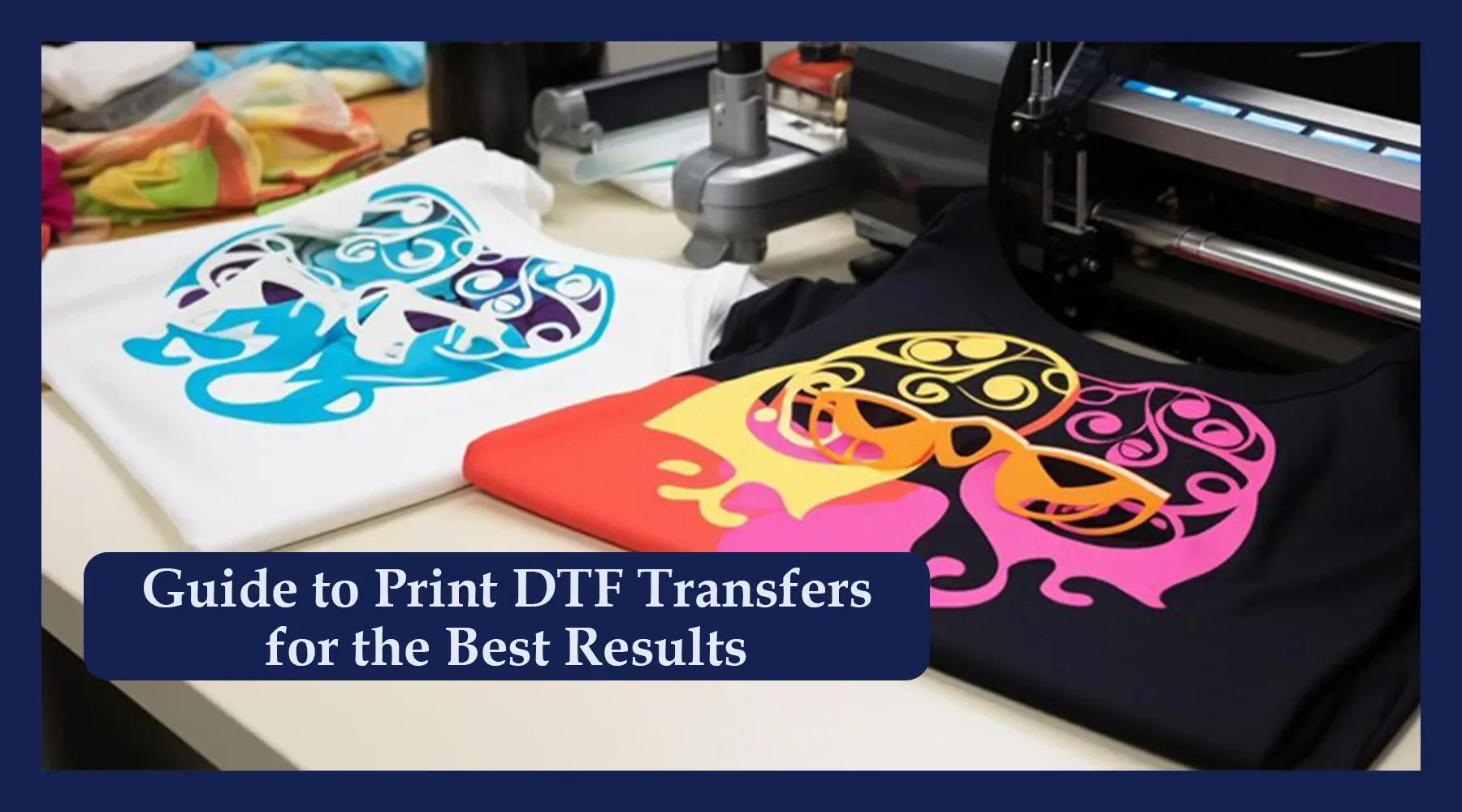
DTF transfers offer a practical gateway to vibrant, durable fabric decoration that appeals to crafters and apparel brands alike, and their versatility makes them ideal for everything from limited runs to full product lines. From cotton tees to performance fabrics, DTF transfers on cotton deliver bold color and lasting wear while remaining soft to the touch. This fabric guide covers prep, heat-press settings, and care to help you optimize results across substrates, with practical tips you can apply in a home studio or small shop. Knowing how the features of DTF printing on fabric translate to edge clarity and wash durability helps you plan smarter productions, choose the right base fabrics, and communicate expected performance to customers. Whether you’re starting small or scaling up, these insights guide you toward consistent, professional results that you can showcase in product photos and on your online catalog.
Viewed from an alternative lens, this process is a direct-to-film printing method that prints on a specialty film before bonding to fabric, a concept you might see described as DTF printing on fabric. Industry references often describe it as a film-based textile transfer, a versatile option for cotton, polyester, and blends, delivering fine detail, strong durability, and a soft hand, as highlighted in fabric guide DTF printing. Using these terms helps align content with search intent while still conveying the core steps of printing on film, applying adhesive, and heat-pressing for reliable adhesion.
DTF Transfers on Cotton: Color, Durability, and Care
DTF transfers on cotton showcase bold color saturation and a soft hand that floral designs and logos can rely on. As part of a fabric guide DTF printing, cotton’s natural fibers pair well with the adhesive and film, delivering crisp edges and strong adhesion for long-lasting results.
For best longevity with DTF transfers on cotton, follow careful fabric prep and finishing steps. Pre-washing (when appropriate) and a short pre-press help remove moisture and create a flat surface for accurate placement. Typical heat-press settings sit around 320–330°F (160–166°C) for about 12–15 seconds, with a cautious approach to peeling based on the film’s guidelines. After curing, wash the garment inside-out in cold to warm water to preserve color and edge integrity.
DTF Transfers on Polyester: Color, Adhesion, and Climate Considerations
DTF transfers on polyester require attention to how synthetic fibers interact with ink and adhesive. In a fabric guide for DTF printing, using a white underbase can help maintain vibrant colors against darker or brighter polyester fabrics, reducing color bleed and ensuring fidelity. This approach is central to DTF printing on fabric when working with performance or fashion polyesters.
Salient tips for DTF transfers on polyester include immobilizing the transfer during a longer pre-press and protecting the surface with a teflon sheet. Maintain even pressure and monitor dwell time to avoid edge lifting. Typical temperatures align with cotton ranges (around 320–330°F / 160–166°C), but shorter dwell times may be advantageous on heat-sensitive polyester to preserve shape and gloss while achieving durable bonds.
DTF Transfers on Blends: Balancing Performance Across Fiber Mixes
DTF transfers on blends aim to combine the strengths of natural and synthetic fibers. Using blends such as cotton/polyester, the adhesive system must accommodate different fiber porosity and texture. In the context of a fabric guide DTF printing, it’s common to test DTF transfers on blends to calibrate heat, pressure, and peel method for consistent edge definition and color saturation.
When applying DTF transfers on blends, anticipate variation in bonding due to fiber ratios. Small test samples help fine-tune dwell times and temperatures, and care should be taken to address texture differences that may affect transfer sit and hand feel. Regular washing and gentle detergents support maintaining vibrancy and edge integrity across blended fabrics.
Fabric Guide DTF Printing: Prep, Pressure, and Peel Methods Across Fabrics
A consistent prep routine enhances adhesion and color fidelity across cotton, polyester, and blends. As part of the fabric guide DTF printing process, inspect fabrics for lint and coatings, then perform a brief pre-press to remove moisture. Align the transfer carefully, using the garment’s seams as reference points to prevent skewing.
Temperature, time, and pressure should follow the transfer manufacturer’s specifications for each fabric type. In general, higher temperatures with adequate dwell time improve adhesion, but adjustments may be necessary for delicate blends. Peel strategy—hot or cold—depends on the film and adhesive, and a test print can help define the best approach.
Color Fidelity in DTF Printing on Fabric: Color Management and Underbases
Color fidelity is a core focus when performing DTF transfers on fabric. High-resolution artwork with clean edges and proper color separation helps maximize the potential of DTF transfers on cotton, polyester, and blends alike. Calibrating the print on the film to account for the fabric’s baseline color — and using a white underbase on dark fabrics — supports vibrant, accurate hues.
Ongoing color management includes adjusting for fabric color before printing, validating hues against real-world textiles, and using consistent settings across runs. By considering the fabric’s baseline color in the process, DTF printing on fabric can achieve reliable saturation and gradients without unwanted color masking.
Durability and Care: Long-Term Performance of DTF Transfers on Cotton, Polyester, and Blends
Durability is a central consideration for DTF transfers across cotton, polyester, and blends. Proper curing, solid adhesion, and post-treatment decisions all contribute to long-term performance. For all fabric types, ensure the transfer bonds fully with the fiber, then provide guidelines for end-users that emphasize gentle care.
Care routines, including washing inside-out and avoiding high-heat drying, help maintain vibrancy over time. Ironing should involve a protective layer and avoidance of direct contact with the print. When issues arise—such as edge lifting or halos—re-evaluating dwell time, temp, and pressure with a fresh test on a sample fabric can quickly restore consistency for DTF transfers on cotton, polyester, and blends.
Frequently Asked Questions
What are DTF transfers on cotton and how can I optimize color and durability for cotton garments?
DTF transfers on cotton use a film and adhesive system that bonds well to natural fibers. For best color and durability on cotton, start with 100% cotton or cotton-rich blends, consider pre-washing to remove sizing, perform a 3–5 second pre-press to create a flat surface, align the design carefully, and heat-press at about 320–330°F (160–166°C) with medium to firm pressure for 12–15 seconds. Follow the film’s peel guidance (hot or cold) and ensure complete cure. Wash the garment inside-out in cold to warm water and avoid high-heat drying for the first few washes.
What should I know about DTF transfers on polyester in terms of prep, underbase, and heat settings?
DTF transfers on polyester require a clean, dry surface and careful immobilization to prevent shifting. Use a white underbase on darker polyester fabrics to preserve color accuracy, perform a longer pre-press, and protect the surface with a teflon sheet or parchment. Heat-press at roughly 320–330°F (160–166°C) with even pressure, and consider shorter dwell times if the fabric tends to warp. Start with a warm or hot peel per the transfer guidelines, and cure fully. Wash inside-out in cold to warm water and avoid hot dryer cycles.
How do DTF transfers on blends perform, and how can I optimize for cotton/polyester blends?
DTF transfers on blends can deliver strong adhesion and vibrant color, but fiber mix affects outcomes. Test on a sample of the specific blend to calibrate heat, pressure, and dwell time, since ratios like 60/40 or 50/50 can influence bond strength. Ensure a smooth surface for clean edges, consider a white underbase for darker blends if needed, and follow a consistent prep and cure process. Wash inside-out and use mild detergents to maintain edge integrity over time.
Can you summarize a fabric guide for DTF printing on fabric and the typical prep steps?
Fabric guide DTF printing emphasizes consistent prep across cotton, polyester, and blends: inspect fabrics for lint, perform a 3–5 second pre-press to remove moisture, align the design with the garment seams, and follow the film’s recommended temperature, time, and pressure. Use the appropriate peel method (hot or cold) and ensure complete curing. This approach supports reliable results whether you’re using DTF transfers on cotton, DTF transfers on polyester, or DTF printing on fabric.
What are essential care tips for DTF printing on fabric to maximize longevity across different fabrics?
Care tips for DTF printing on fabric include curing the print fully, washing inside-out in cold to warm water with mild detergents, and avoiding hot water and high-heat dryers for extended periods. If ironing is needed, use a protective layer between the print and iron and avoid direct contact with the image. Following these care guidelines helps maintain color fidelity and edge durability on cotton, polyester, and blends.
What common issues occur with DTF transfers on cotton, DTF transfers on polyester, and DTF transfers on blends, and how can I troubleshoot edge peeling, halos, or cracking?
Common issues include edge peeling, halos on dark fabrics, and cracking if curing or heat settings are off. Troubleshoot by ensuring full cure and proper dwell time, using even pressure and avoiding movement during pressing, and verifying peel method per film guidelines (hot or cold). For halos on dark fabrics, confirm correct white underbase placement and post-press sealing. Re-test on scrap fabric and adjust temperature, time, or pressure for each fabric type—cotton, polyester, or blends—to achieve a durable, clean edge.
| Topic / Section | Key Points | Notes / Best Practices |
|---|---|---|
| Overview of DTF transfers | Direct-to-Film printing; prints designs onto a specialty film and then heat-presses to fabric; vibrant, durable prints; good for detailed color and gradients; usable on cotton, polyester, and blends; uses water-based ink, bonding powder, and a release sheet. | Follow film guidelines; verify film compatibility; suitable for varied fabrics. |
| DTF transfers on cotton | 100% cotton or cotton-rich blends; pre-wash considerations; 3–5s pre-press; 320–330°F (160–166°C) for 12–15s; hot or cold peel per film; care: wash inside-out; avoid high heat in drying. | Test on scrap; ensure fabric is dry after pre-wash; align carefully to prevent skewing. |
| DTF transfers on polyester | Clean, dry surface; white underbase recommended for color accuracy; immobilize transfer; 320–330°F (160–166°C); even pressure; peel warm; follow film guidelines; post-press cooldown if advised. | Protect surface with teflon/parchment; ensure even heat distribution. |
| DTF transfers on blends | Test on sample blends; adhesive compatibility across fiber mixes; adjust dwell time or temperature based on blend ratio (e.g., 60/40, 50/50); be mindful of color/texture differences. | Calibrate for exact blend; smooth surface for best edge definition. |
| Fabric prep essentials | Inspect for lint/dust; 3–5s pre-press; align with garment seams; film side up; protector sheet over top; follow film’s temperature/time/pressure guidelines; choose appropriate peel strategy. | Keep fabric flat; use alignment guides; test peel method on scraps. |
| Color fidelity and art | High-resolution artwork; proper color separation; white underbase for dark fabrics; calibrate for baseline fabric color. | Prepare artwork with clean edges; ensure files are print-ready. |
| Durability and care | Fully cure; post-treatment cooldown; wash inside-out in cold to warm water; avoid hot dryer cycles; iron with protective layer if needed. | Avoid aggressive washing; use mild detergents; store away from heat. |
| Troubleshooting | Edge peeling: ensure even pressure; reapply heat if needed; cracking/fading: adjust temperature/dwell; white halos: verify white underbase; seams: press flat to improve bond. | Test fixes on sample fabric; document successful parameters. |
| DTF vs other methods | Offers a middle ground between vinyl, screen printing, and DTG; easier small-run setups; strong color gradients; suitable for mixed fabrics. | Consider DTF for versatile, small-batch projects across fabrics. |
Summary
DTF transfers offer a versatile, high-fidelity method for decorating fabrics across cotton, polyester, and blends. By applying proper prep, heat-press settings, and care, you can achieve vibrant, durable results on a wide range of garments. Cotton works well with bold color saturation, polyester benefits from a white underbase and careful immobilization to maintain vibrancy, and blends require testing to balance fiber behaviors. Regardless of fabric type, following manufacturer guidelines, performing test runs, and using gentle care will help extend the life of your designs. Whether you’re creating cotton tees, performance wear, or cotton-poly blends, DTF transfers provide a reliable, professional finish that stands up to wear and washing.