
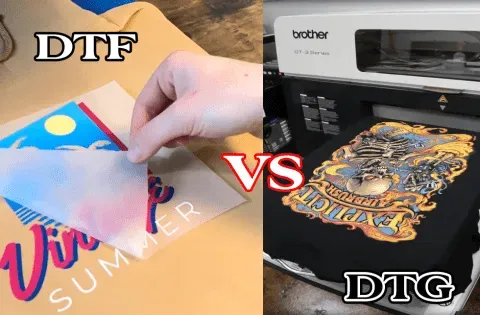
DTF vs DTG is a pivotal choice for brands aiming to balance quality, cost, and speed in apparel printing. Understanding the strengths of each method helps designers pick the right path for their collections, especially as they evaluate fabric types and color needs. This guide highlights the DTF printing benefits, offering a clear view of color richness and durability across substrates. It also covers practical considerations like setup costs, throughput, and long-term maintenance to help you assess overall value. If you’re weighing options for a growing line, the right choice will align your process with your brand story and customer expectations.
For brands evaluating how these approaches translate to product quality, think of Direct-to-Film transfers (DTF) versus Direct-to-Garment prints as two different pathways to vivid graphics. Direct-to-film transfers offer versatility and strong color on a wide range of fabrics, while direct-to-garment prints deliver ultra-soft hand-feel on cotton-heavy apparel. When weighing costs and scalability, a fair DTG printing pros and cons emerges, including upfront pretreatment needs and ongoing ink management. In practice, brands often map top fabrics to the preferred method, then run pilot tests to confirm color accuracy, durability, and wash performance. Ultimately, choosing the right method comes down to product goals, production capacity, and the customer experience you want to deliver.
DTF vs DTG: Understanding the Core Difference and What It Means for Your Brand
DTF printing vs DTG refers to two distinct approaches to getting designs onto fabric. DTF involves printing a image onto a PET film, applying an adhesive, and transferring the design to the garment with heat; DTG prints directly onto the fabric using water-based inks. The choice between these methods isn’t just about technology—it’s a strategic decision that affects fabric compatibility, color depth, hand feel, and scalability for your brand.
When brands weigh DTF printing vs DTG, they weigh how each method aligns with their product goals, production capacity, and customer experience. DTF tends to excel in versatility and durability across a wide fabric range, while DTG often shines in softness and detail on natural fibers. Understanding these core differences helps set expectations for wash performance, feel, and long-term cost.
Fabric Compatibility and Color Results: How DTF and DTG Perform Across Fabrics
Fabric compatibility is one of the first practical considerations Brand teams assess. DTF is highly versatile and works well on cotton, blends, polyesters, and other fabrics, with the PET film and adhesive enabling vibrant color reproduction on dark bases. This broad substrate tolerance makes DTF a strong option for brands expanding beyond 100% cotton into athleisure or performance wear.
DTG, by contrast, performs exceptionally on natural fibers like cotton and bamboo, delivering fine detail and a soft hand-feel. However, it can struggle on synthetics and blends without pretreatment, potentially causing color shifts or lighter results on polyester. The trade-offs here guide fabric selection and prepress practices for consistent outcomes.
Print Quality, Hand Feel, and Color Depth: Aesthetics, Detail, and Wearability
DTG printing pros and cons become apparent when you compare hand feel and color fidelity. DTG can produce smooth gradients and photorealistic imagery on cotton, with a soft, almost fabric-like finish. The caveats include dependence on pretreatment quality, ink loads, and fabric composition to achieve vivid colors on dark fabrics.
DTF printing vs DTG also defines how color depth and layering behave. DTF transfers often yield bright, saturated colors with reliable layering across a wide range of fabrics, including dark bases. The color integrity can remain strong across garment colors thanks to the transfer layer and adhesive, making DTF a dependable choice for bold branding and graphic-heavy designs.
Cost, Efficiency, and Scale: DTF vs DTG Cost Comparison for Growth
DTF vs DTG cost comparison surfaces as soon as production scales. DTF tends to offer a more cost-efficient path for larger runs and mixed fabrics because you can reuse transfer films across multiple units, and the equipment setup is generally less specialized than a high-end DTG system. While initial consumables exist (films, powders, adhesives), per-unit costs can decrease notably with volume.
DTG, on the other hand, often requires a higher upfront investment for pretreatment systems, white ink management, and high-quality underbase printing. However, for shops printing on cotton or light fabrics with detailed imagery at high volumes, DTG can reduce unit costs when scaled, especially if you prize soft hand feel and direct-to-fabric color accuracy.
Durability, Wash Performance, and Sustainability Considerations
Durability and wash performance vary by method and process. DTF transfers sit on top of the fabric, which can make the hand feel slightly more noticeable but typically yields robust wash durability across blends and darker fabrics. Advances in film and adhesive technology have improved flexibility and long-term resistance to washing cycles.
DTG prints penetrate the fabric and can offer a very soft hand feel on lighter fabrics, but long-term durability depends on pretreatment quality, ink management, and fabric type. From a sustainability lens, DTG inks are often water-based with lower odor, while DTF involves film and adhesive materials with different waste considerations. Brands should weigh supplier practices and end-of-life options as part of their evaluation.
How to Decide: Best Printing Method for Apparel Branding
To determine the best printing method for apparel branding, consider your core fabrics, design complexity, production cadence, and desired customer experience. If you need one scalable method across multiple fabrics and bold graphics on dark bases, DTF printing benefits brands seeking versatility and consistent color on diverse substrates.
If your priority is ultra-soft hand feel, delicate gradients on cotton, and high-detail imagery at moderate to high volumes, DTG can be the preferred path—provided pretreatment and maintenance are well-managed. Ultimately, the best printing method for apparel branding balances fabric mix, hand feel, color fidelity, and cost efficiency across your anticipated growth trajectory.
Frequently Asked Questions
DTF vs DTG: What is the difference and how should you choose for your apparel brand?
DTF transfers are created on a PET film with adhesive and can be applied to a wide range of fabrics, including dark colors, producing durable results. DTG prints directly onto fabric for a very soft hand-feel and high-detail imagery, especially on cotton, but may require pretreatment and can be less consistent on synthetics. Your decision should weigh fabric mix, color needs, order size, speed, and how you want the finished garment to feel and wash over time.
DTF printing benefits: what are the advantages of DTF printing benefits for apparel brands?
DTF printing benefits include versatility across fabrics (cotton, blends, synthetics), strong color on dark fabrics, and scalable production for larger runs. The process uses transfer films that can be reused, reducing per-piece setup time and allowing consistent results across a catalog. Note that ongoing consumables (films, powders, adhesives) still factor into costs.
DTG printing pros and cons for apparel branding: what should you know?
DTG printing pros and cons: Pros include ultra-soft hand-feel and excellent detail on cotton and natural fibers. Cons include challenges with dark fabrics without proper pretreatment, color consistency across lots, and higher upfront equipment and ink costs. For apparel branding focused on cotton-heavy lines, DTG can deliver premium visuals, but plan for pretreatment and maintenance.
DTF vs DTG cost comparison: how do costs compare across run sizes?
DTF vs DTG cost comparison: DTF can be more cost-efficient for larger run sizes and diverse fabrics since you reuse a single transfer across many units and require less specialized equipment. DTG typically involves higher upfront investment in printers, pretreatment, and white ink systems, which can raise unit costs at smaller volumes. At high volumes on cotton or light fabrics, DTG may offer lower per-unit costs, especially when hand feel and detail matter.
Best printing method for apparel branding: which method should you pick?
Best printing method for apparel branding: If your catalog spans many fabrics and you need reliable dark-fabric performance, DTF is a strong choice. If your priority is photo-realistic detail and a premium hand-feel on light fabrics, DTG is a compelling option. Many brands start with pilots using both methods to validate color, durability, and user experience before committing.
What factors should you consider when choosing DTF vs DTG for fabric compatibility and hand feel?
Factors to consider when choosing DTF vs DTG for fabric compatibility and hand feel: Evaluate fabric types, color requirements, and the volume of SKUs. DTF offers broad fabric compatibility and bold colors suitable for dark garments, while DTG excels on natural fibers with soft hand-feel and fine detail. Also consider turnaround, wash durability, pretreatment needs, and total cost of ownership over your planned production horizon.
| Aspect | DTF | DTG |
|---|---|---|
| Overview | DTF: Direct-to-Film printing—design is printed on a PET film, then heat- transferred to fabric with adhesive. It supports layering colors and works on a wide range of fabrics, including darks. | DTG: Direct-to-Garment printing—prints directly onto fabric with water-based inks. Known for a very soft hand-feel and high detail on natural fibers like cotton; pretreatment may be needed for darks. |
| Fabric compatibility | DTF is highly versatile across cotton, blends, polyesters, and varied weaves; performs well on dark fabrics due to the transfer layer. | DTG shines on natural fibers (e.g., cotton, bamboo); can struggle on synthetics without pretreatment. |
| Color, detail & hand-feel | DTF handles bold, saturated colors with reliable results across fabrics; transfer sits on the surface, enabling solid color blocks. | DTG delivers soft hand-feel and high detail on smooth fabrics; gradients and photo-realism are strong when underbase and pretreatment are optimized. |
| Durability & wash | DTF transfers exhibit robust wash durability with a thin, flexible layer that remains on various substrates. | DTG durability depends on pretreatment quality, ink loads, and underbase; proper setup yields very soft prints with good wash performance on light fabrics. |
| Cost & scalability | DTF can be cost-efficient for larger runs; reusable films and relatively lower upfront equipment costs support scalability. | DTG requires higher upfront investment (pretreatment systems, white ink, maintenance); unit costs can drop at high volumes on cotton with premium hand-feel. |
| Turnaround & workflow | DTF allows batch transfers, enabling faster setup when producing many designs or editions. | DTG can be faster for small batches but may involve downtime for pretreating, curing, and ink maintenance. |
| Environment & sustainability | DTF involves films and adhesives with associated waste considerations. | DTG uses water-based inks and generally cleaner processes; sustainability depends on suppliers and waste management practices. |
| Use-case guidance | Many fabrics beyond cotton and large SKU variety favor DTF for versatility and dark-fabric compatibility. | High-detail, soft-hand cotton-focused lines with moderate-to-high volumes align with DTG for premium feel and efficient cotton workflows. |
| Practical tips for choosing | Run pilot tests across designs, compare hand feel, color accuracy, wash results, and customer feedback. | Map fabrics to methods, plan maintenance, and model long-term costs including equipment and consumables over 3–5 years. |
Summary
DTF vs DTG is a strategic choice for apparel brands, balancing fabric compatibility, color fidelity, hand feel, and scalability. DTF offers versatile fabric compatibility, strong color on dark fabrics, and scalable transfer-based production that suits mixed runs and evolving catalogs. DTG provides ultra-soft hand-feel, high-detail imagery on cotton and light fabrics, and a more direct-to-fabric workflow ideal for premium lines. The best option depends on your fabric mix, required hand feel, print detail, color accuracy, and production scale. Start with a pilot program comparing both methods, assess wear performance and cost per unit, and use data to decide which method best serves your brand identity and growth trajectory.