
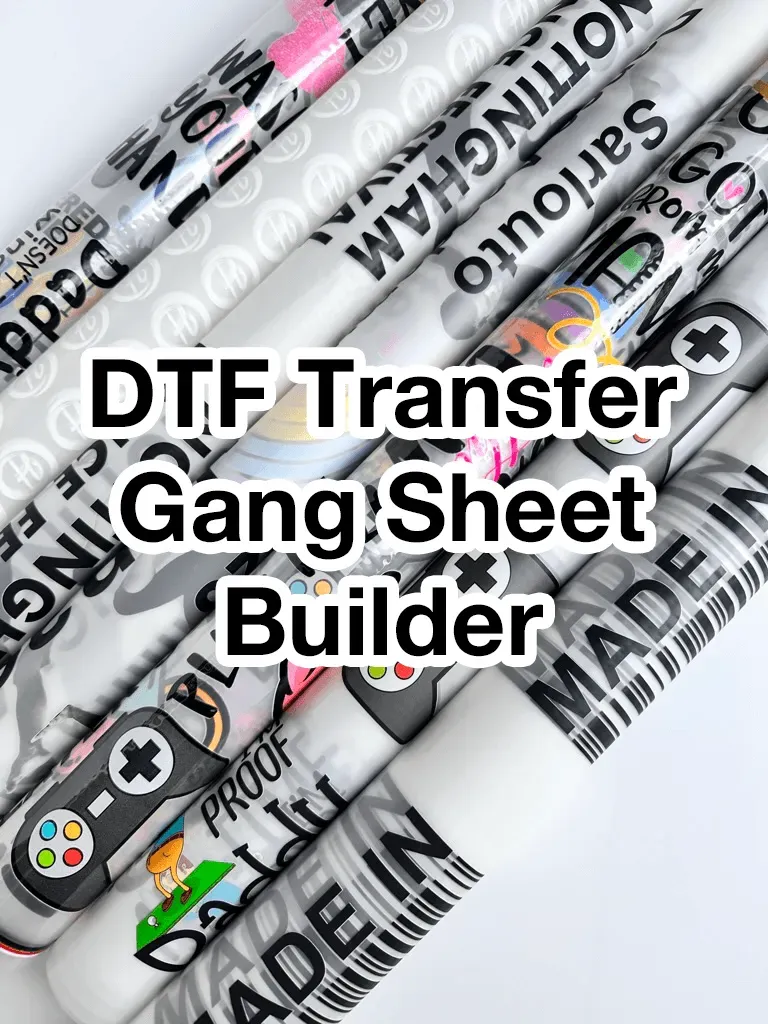
DTF Gangsheet Builder is a game changer for scaling apparel production without sacrificing quality. When you’re juggling designs, sizes, and colors, this tool helps optimize layout, improve DTF print run optimization, and tighten your DTF printer workflow. In this guide, you’ll learn how the DTF Gangsheet Builder streamlines your process, reduces waste, and pushes more finished units through your shop each day. Whether you’re a small studio or a growing print house, understanding gang sheet layout best practices, gang sheet prep for DTF printing, and DTF sheet layout will improve speed, consistency, and profitability. By focusing on a repeatable workflow and precise settings, you’ll achieve reliable results and a scalable production line you can trust.
Beyond the name, the tool serves as a batch-optimization core for apparel printing, enabling designers and operators to plan multiple transfers on a single sheet. Think of it as a smart sheet nesting system that aligns artwork, margins, and color blocks, while channeling insights from DTF print run efficiency and a streamlined printer workflow. Users describe it as a dedicated layout engine for heat-transfer sheets, emphasizing clear visualization of how designs fit together and what margins are safe for trimming. In practice, this means faster turnarounds, less waste, and a repeatable process you can document and scale across multiple orders.
Leveraging the DTF Gangsheet Builder for DTF Print Run Optimization
Leveraging the DTF Gangsheet Builder unlocks efficiency by arranging multiple designs on a single sheet. This layout-focused approach directly supports DTF print run optimization by maximizing sheet utilization while preserving color fidelity, alignment accuracy, and margin safety. By centralizing how designs fit together, you gain repeatable results across orders and reduce the risk of costly re-runs.
To implement effectively, follow gang sheet layout best practices and pay attention to the DTF sheet layout, including safe margins, consistent spacing, and bleed handling. The builder’s auto-nesting and grid options help you optimize for the largest possible density without crowding. This discipline feeds into your DTF printer workflow by reducing setup time and improving consistency across batches.
DTF Sheet Layout: Best Practices for Precise Transfers
DTF Sheet Layout requires a disciplined approach to margins, bleed, and spacing to achieve precise transfers. Start by selecting a sheet size that your printer handles reliably and establishing a stable grid to guide placement. Consistent margins and a safe zone reduce misregistration and simplify post-print finishing.
Apply gang sheet layout best practices when populating the grid, and use color-managed proofs to simulate color separations before you print. A well-planned DTF print run optimization emerges when layout density, color consistency, and accurate trimming align with finishing workflows.
Gang Sheet Prep for DTF Printing: From Assets to Print-Ready Files
Gang Sheet Prep for DTF Printing involves asset preparation by gathering all designs into a single project and standardizing dimensions (width, height, bleed) so placement is predictable. Normalize color profiles across designs (sRGB or Adobe RGB) to minimize shifts on press and ensure consistent results on transfer.
Include safe margins and clear labels for each design, and pre-check file integrity: embed or outline fonts and remove problematic transparency features. Create a master template with predefined grid spacing and bleed settings so future gang sheet builds are faster and less error-prone during prep for DTF printing.
DTF Printer Workflow: Streamlined Steps for Consistency and Speed
DTF Printer Workflow emphasizes integrating the gangsheet process into a repeatable operation: organize assets in versioned folders, use batch processing to generate multiple gang sheets, and align color settings with your printer’s profile or RIP. A consistent DTF printer workflow minimizes surprises and speeds throughput across orders.
Schedule regular maintenance and calibration for your DTF printer to maintain color stability and repeatable results across large batches. Validate color with proofs and run test prints before committing to full production, building a robust and predictable workflow.
Auto-Nesting and Grid Layouts: Maximizing Sheet Utilization
Auto-nesting paired with a well-defined grid enables you to pack more designs per sheet without sacrificing quality. This approach embodies gang sheet layout best practices and supports DTF print run optimization by balancing density with margin safety.
Sequence designs by color and underlay, grouping similar hues to reduce color transitions during printing. Apply purposeful bleed and consistent spacing, then label each position for easy handoff to finishing. A thoughtful approach to nesting translates into fewer re-runs and faster throughput in the DTF process.
Scaling Up with Templates, Color Calibration, and Waste Reduction
Build a library of templates for common sheet configurations so new orders can be produced quickly while preserving consistency across runs. Pair templates with a color calibration routine to maintain predictable results across substrates and maintain tight control over DTF print run optimization.
Track waste and throughput metrics, maintain version control for assets and gang sheets, and continuously refine margins and spacing. As you scale, the combination of templates, calibration, and process discipline helps sustain high quality and profitability in a busy DTF printing shop.
Frequently Asked Questions
How does the DTF Gangsheet Builder support DTF print run optimization?
The DTF Gangsheet Builder arranges multiple designs on a single sheet to maximize sheet utilization and reduce setup time, driving DTF print run optimization. Its auto-nesting, margin and bleed control, color management, and batch processing streamline production while maintaining consistent quality.
What are the gang sheet layout best practices when using the DTF Gangsheet Builder?
Follow gang sheet layout best practices by defining a fixed sheet size, using a consistent grid, and maintaining uniform spacing. Apply 2–3 mm of bleed, include safe margins, and label positions to simplify finishing. Group similar colors to reduce transitions and verify alignment in the preview.
How should I approach DTF sheet layout with the DTF Gangsheet Builder to maximize space and accuracy?
Start from a master template and standardize asset dimensions to simplify placement. Use the builder’s grid and auto-nesting to maximize space while preserving accuracy, and always check color proofing and alignment in the preview before printing.
What is gang sheet prep for DTF printing when using the DTF Gangsheet Builder?
Gang sheet prep for DTF printing involves gathering assets in a single project, standardizing dimensions and bleed, normalizing color profiles, and labeling designs clearly. Create a pre-made template with predefined grid spacing to speed up future gang sheet prep for DTF printing.
How can I optimize the DTF printer workflow with the DTF Gangsheet Builder?
Leverage batch processing to generate multiple gang sheets in one session and synchronize color settings with your printer profile or RIP. Automate file naming and export paths to minimize downtime, creating a repeatable DTF printer workflow that improves throughput.
What measurable benefits in DTF print run optimization can I expect from adopting the DTF Gangsheet Builder?
Expect higher sheet utilization, more consistent color and placement, faster turnarounds, and reduced material waste as you scale. By optimizing margins, bleed, and layout, many shops see meaningful gains in DTF print run optimization and overall productivity.
| Area | Key Point | Details |
|---|---|---|
| What it is | Purpose and core function | Arranges multiple designs on a single sheet before printing to maximize exact-size transfers while maintaining color fidelity, alignment accuracy, and margin safety. |
| Why gang sheets matter for print runs | Boosts throughput and efficiency |
|
| Key features to leverage | Auto-nesting, bleed control, color management, asset import, export-ready sheets |
|
| Preparing assets | Best practices for asset readiness |
|
| Designing an efficient gang sheet layout | Practical layout approach |
|
| Best practices for margins, bleed, and alignment | Guidelines to ensure accuracy |
|
| Workflow integration for maximum efficiency | Integrate into a repeatable workflow |
|
| Common pitfalls and how to avoid them | Frequent mistakes |
|
| Case study: A real-world example of maximizing output | Impact example |
A small apparel brand switched to the DTF Gangsheet Builder to manage an upcoming summer line with five artwork sets, three garment colors, and multiple sizes. By standardizing assets, selecting a 4×4 grid per sheet, and applying a 2 mm bleed, they increased their print run output by 28% per shift and reduced waste by 15%. The team exported clean, printer-ready gang sheets, matched color profiles to their heat press settings, and achieved faster turnarounds for both new designs and restocks. |
| Tips for scaling up your operation with confidence | Scalability tips |
|
Summary
DTF Gangsheet Builder is a strategic tool for scaling apparel production and achieving consistent quality across high-volume runs. By mastering gang sheet layouts, color management, and a repeatable workflow, shops can increase throughput, reduce waste, and shorten turnaround times. This descriptive overview highlights practical steps to implement effective gang sheet strategies, from asset preparation to automated export-ready sheets. Embrace templates, margins, bleed, and alignment best practices to unlock repeatable success with the DTF Gangsheet Builder, and watch your profitability grow as you handle more designs, colors, and sizes with confidence.